
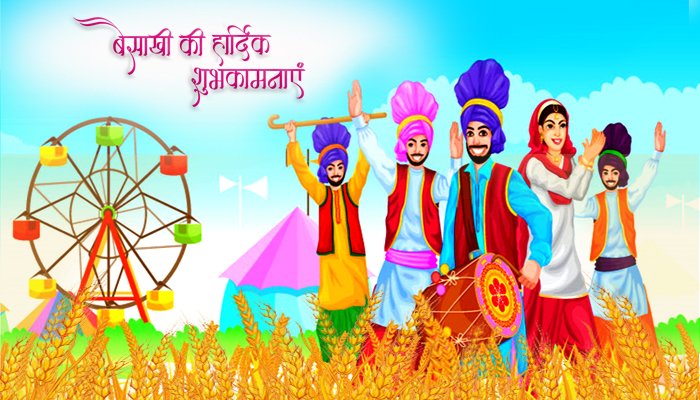
Vaisakhi , also pronounced Baisakhi, marks the first day of the month of Vaisakha and is usually celebrated annually on 13 or 14 Aprilas the solar new year. It is additionally a spring harvest festival in the Punjab.
Also called Baisakhi, Visakhī
Observed by Sikhs, someHindus
Significance Solar new yearharvest festival, birth of the Khalsa
Celebrations :Fairs and processions, temple decorations
Observances :Religious gatherings and practices
2021 date: Thu, 15 April
Related to South and Southeast Asian solar New Year
For Sikhs, in addition to its significance as the New Year, during which Sikhs hold kirtans, visit local Gurdwaras, community fairs, hold nagar kirtan processions, raise the Nishan Sahib flag, and gather to socialize and share festive foods, Vaisakhi observes major events in the history of Sikhism and the Indian subcontinent that happened in the Punjab region.Vaisakhi as a major Sikh festival marks the birth of the Khalsa order by Guru Gobind Singh, the tenth Guru of Sikhism, on Vaisakhi of 1699.Later, Ranjit Singh was proclaimed as Maharaja of the Sikh Empire on 12 April 1801 (to coincide with Vaisakhi), creating a unified political state, Vaisakhi was also the day when Bengal Army officer Reginald Dyer orders his troops to shoot into a protesting crowd, an event which would come to be known the Jallianwala Bagh massacre; the massacre proved influential to the history of the Indian independence movement.
This holiday also is known as Vaisakha Sankranti, based on the Hindu Vikram Samvat calendar, and is known by various regional names in other parts of India. For some Hindu communities, the festival is an occasion to ritually bathe in sacred rivers such as Ganges, Jhelum, and Kaveri, visit temples, meet friends, take part in other festivities, and perform a mandatory Daan (charity) especially of hand fans, water pitchers and seasonal fruits.Community fairs are held at Hindu pilgrimage sites. In many areas, procession of temple deities is taken out.
Date
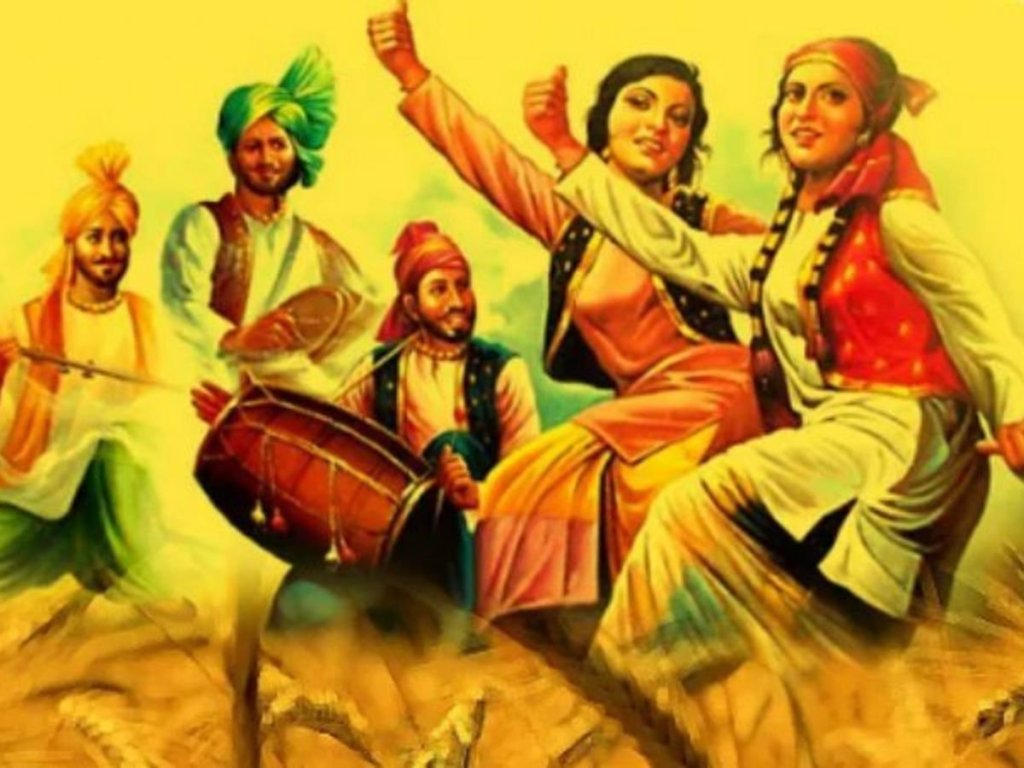
Vaisakhi is observed on 13 or 14 April every year in 21st century. However, in 1801 AD, it used to fall on 11 April. This is because date of Vaisakhi and other Sankrantis keeps on changing slowly over years. Vaisakhi would fall on 29 April in Year 2999. The festival coincides with other new year festivals celebrated on the first day of Vaisakh in other regions of the Indian Subcontinent such as the Pohela Boishakh, Bohag Bihu, Vishu, Puthandu among others.
Etymology and pronunciation
The word Vaisakhi or Baisakhi is an Apabhraṃśa form evolved from the word Vaishākhī (वैशाखी), derived from the name of the Indian month of Vaishakha.There is no distinction between sounds ‘sha’ (श) & ‘sa’ (स) and between ‘va’ (व) & ‘ba’ (ब) in Prakrit & Apbhramsa. Hence the name, Vaisakhi or Baisakhi. In tonal languages like Bengali, it is pronounced as ‘Boishakhi’. Vaisakhi which is observed on Sankranti of Vaisakh (Vaishakh) month literally means ‘related to Vaisakh month’, which in turn is derived from the name of a Nakshatra known as Vishakha. In Punjabi, the spelling varies with region. In Punjab region, Vaisakhi is common, but in the Doabi and Malwai dialects, speakers often substitute a B for a V. The spelling used depends on the dialect of the writer.
Hinduism
Bathing in rivers is a Vaisakhi tradition
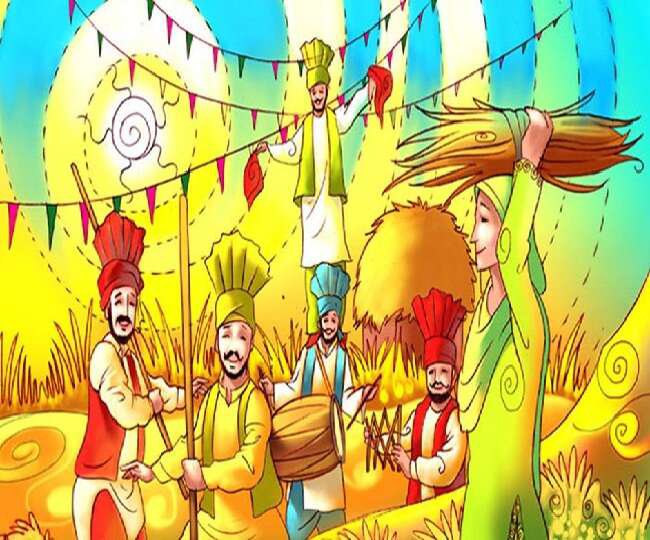
For some Hindus, the first day of Vaisakh marks the traditional solar new year,in Assam, Bengal, Bihar, Himachal Pradesh, Haryana, Kerala, Odisha, Punjab Tamil Nadu, Uttar Pradesh, Uttrakhand and other parts of India. However, this is not the universal new year for all Hindus. For some, such as those in and near Gujarat, the new year festivities coincide with the five-day Diwali festival. For others, the new year falls on Cheti Chand, Gudi Padwa and Ugadi which falls a few weeks earlier.The harvest is complete and crops ready to sell, representing a time of plenty for the farmers. Fairs and special thanksgiving pujas (prayers) are common in the Hindu tradition.
It is regionally known by many names among the Hindus, though the festivities and its significance is similar. It is celebrated by Hindus bathing in sacred rivers, as they believe that river goddess Ganges descended to earth on Vaisakhi from Svarga.Some rivers considered particularly sacred include the Ganges, Jhelum and Kaveri. Hindus visit temples, meet friends and party over festive foods.
Haridwar
Vaisakhi is the day when Hindus believe River Goddess Ganga descended on earth from heaven. One of the largest Vaisakhi fair in India is held at Haridwar, which is an important Hindu pilgrimage. Around 50 lakhs pligrims throng Brahm Kund in Haridwar to take a dip in Ganga river on this festival.
 Knowledge